Podcasting just got a global rulebook. Here's what's actually true for those of us doing this ourselves
 Podcast Studio Glasgow
The Scottish Podcasting Shift
Podcasting just got a global rulebook. Here's what's actually true for those of us doing this ourselves, no big platform, no agency, no network behind us.
The 10-second takeaway
- A 12-person industry task force just wrote the first global rulebook for how podcasts are defined, measured and sold to advertisers.
- Only one of those twelve seats was reserved for a "creator", and it went to a multi-million-pound media company, not an independent show.
- That doesn't make the rulebook bad. It means the version written for platforms and agencies isn't automatically the version that applies to you.
- Over the next few posts, we're translating it honestly: what's a genuine win, what's still just a maybe, and what to actually do about it.
A global rulebook just landed in podcasting
Four days before our first post in this series, an industry body called the Alliance for Measurement in Podcasting (AMP) published the first-ever global standard for podcasting: what counts as a podcast, how listening gets measured, and how ads get proven to work.
That's genuinely significant. Radio got this moment in 1930. Television got it after. Digital advertising got it in the 2000s. Podcasting's turn just started.
But there's a question worth asking before anyone gets swept up in it: who actually wrote this thing, and were people like us in the room?
Here's who was actually in the room
The task force had twelve voting seats. The charter guarantees minimums for a video platform, an audio platform, two publishers, three brands, an advertiser agency, a talent agency, an attribution provider, and one creator.
One.
In practice, the seats were filled by Spotify, SiriusXM, Shopify, DraftKings, BetterHelp, Oxford Road (the agency that convened the whole thing), United Talent Agency, and hosting and attribution companies including Libsyn and Podscribe. The one "creator" seat went to FlightStory, Steven Bartlett's media company. Not a solo host. Not a two-person team recording in a spare room.
"One out of twelve seats was reserved for a creator. It went to a multi-million-pound media company, not someone recording alone on a Tuesday night after work."
Why that's worth knowing, not worrying about
This doesn't mean the standard is bad, or rigged, or something to ignore. Most of it is sensible, and some of it is genuinely good news for independent shows. We'll get to the good bits.
It just means the version written for platforms, agencies and brands isn't automatically the version that applies to a podcast made by one person with a decent mic and a lot of evenings. Nobody in that room was asked "does this work if you're doing all of this yourself?"
So we're asking it instead.
What we're breaking down, one honest post at a time
Over the next few posts in this series, we're going through the rulebook chunk by chunk, and being straight about which parts are real for independent podcasters and which parts aren't there yet:
- The one part of this that's already a genuine, unconditional win, and costs nothing.
- The part that's a real maybe, good news if it reaches your podcast app, but nobody's promised it will.
- Where that widely quoted "$1 billion in ad money" is actually likely to go first, and what that means if you're not chasing it.
- Proof that independent doesn't mean small-time, straight from Scottish podcasters who won on merit this year.
Next up: the one part of this rulebook that's already a genuine win for independent podcasters, and it doesn't cost a thing.
Podcast Studio Glasgow
Further reading
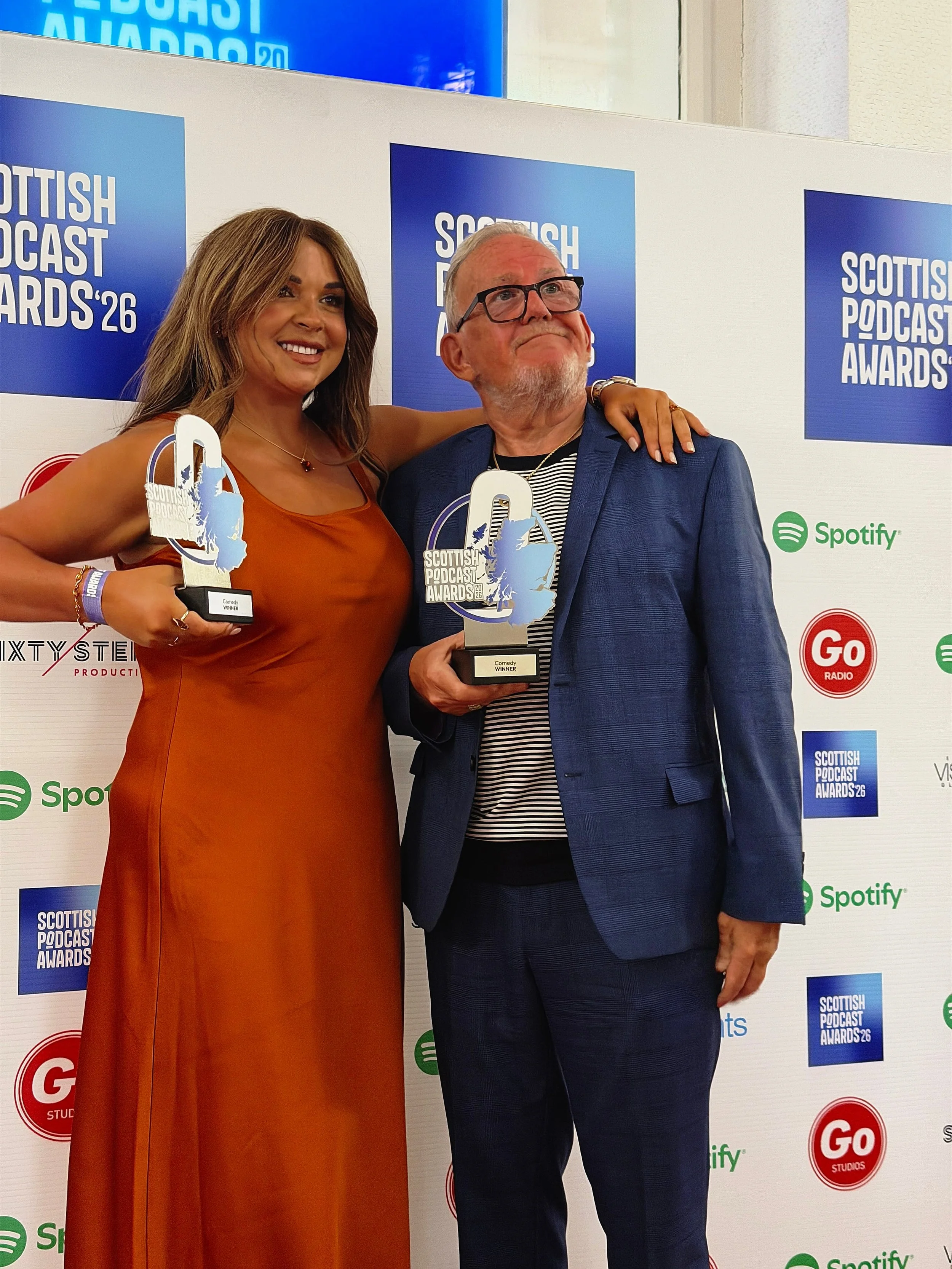
Scottish Podcast Awards 2026: PSG Clients Win and Receive Recognition
Seven client podcasts, ten shortlist nominations, and an independent show that won Podcast of the Year.
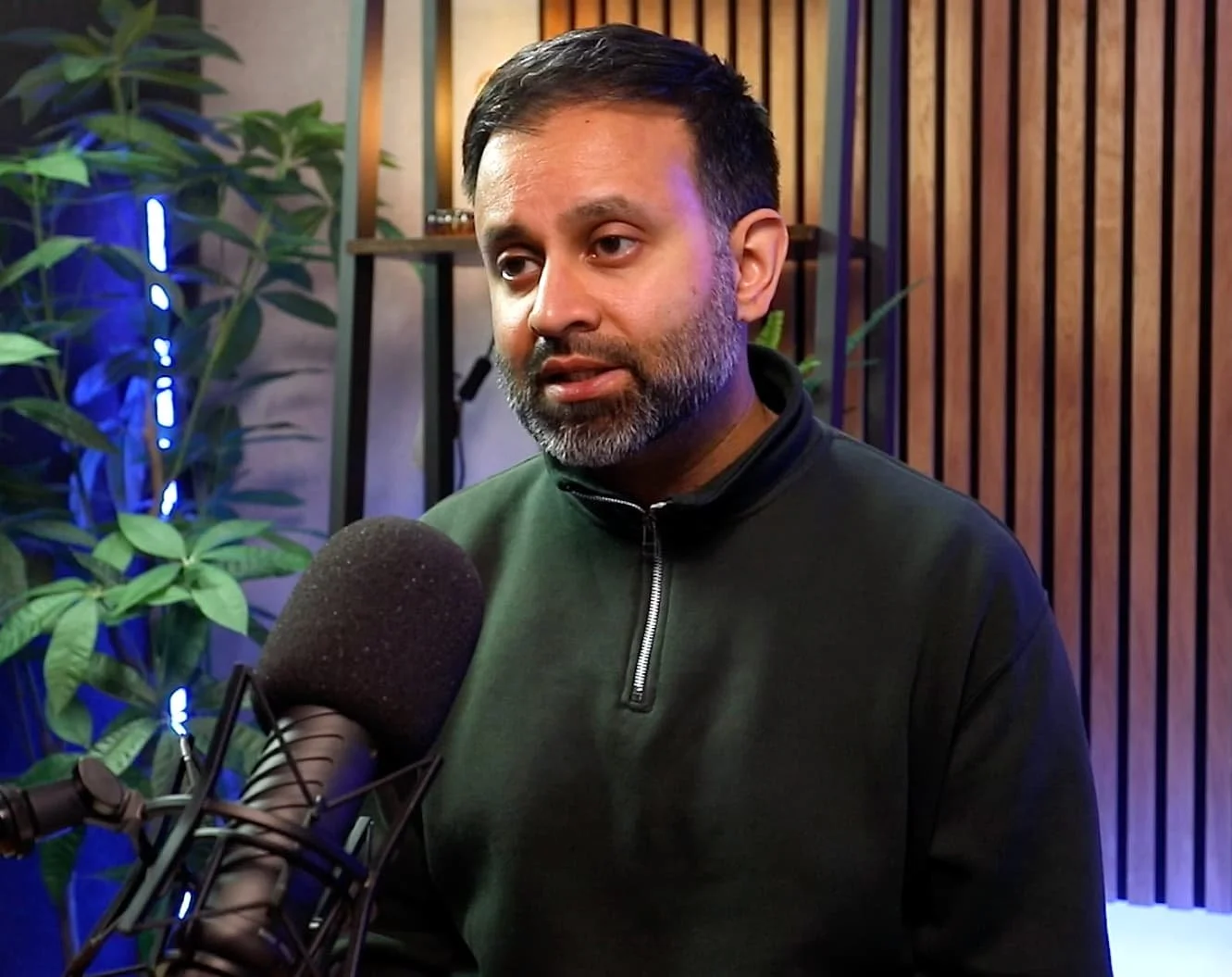
Why Scottish Podcasters Should Enter the Scottish Podcast Awards Next Year
Why entering next year could help your show grow, attract sponsors and build authority.

How to Get Podcast Sponsorship: A Realistic Strategy for Independent Podcasters
How to attract sponsors by building trust, publishing consistently and improving audio quality.

Your Podcast Doesn't Need 10,000 Downloads to Change Your Business
A small, loyal podcast audience can be worth more than vanity numbers.