Scottish Podcasters: Do You Even Have a Podcast?
 Podcast Studio Glasgow
The Scottish Podcasting Shift
You don't need a camera, a crew, or a studio to be a real podcast. The industry just agreed on that, in writing, and this one costs nothing.
The 10-second takeaway
- The industry just ratified an official definition of a podcast, and it doesn't mention cameras, studios or crews.
- The test: if it works with your eyes closed, it's a podcast.
- Unlike the measurement and money parts of this rulebook, this one doesn't need any platform to adopt anything. It's already true.
- If you're recording alone with a mic in a spare room, that's not a lesser version of a podcast. By the industry's own definition, that's the format.
Last time, we said the industry's new rulebook was written by platforms, agencies and brands, not by people recording alone in a spare room. That's still true. But it doesn't mean there's nothing in it for the rest of us. There's one part that's a genuine, unconditional win, and it costs nothing to claim.
What was actually agreed
For the first time, the podcast industry has a formal, ratified definition of what a podcast is. Here it is, in full:
"A podcast is an on-demand show rooted in the spoken word and fully intelligible as audio. Typically episodic and conversational, podcasts cover wide-ranging themes and formats. They are accessed as audio or video via open RSS feeds and other distribution methods."
Then they gave it a shorthand, one that's already doing the rounds:
"If it works with your eyes closed, it's a podcast."
Video is allowed. It was never required. Distribution method isn't mentioned as a qualifier either. The only thing that actually counts is whether the conversation stands on its own.
Why this one's different from the rest of the rulebook
Everything else in the AMP Accords, the new measurement standard, the attribution framework, needs somebody else to act before it means anything for you. A podcast app has to build new tracking. An ad server has to support new holdout groups. None of that is in your control, and none of it is guaranteed to happen on any particular timeline.
The definition isn't like that. It was ratified on 13 May 2026. It doesn't need Apple, Spotify, or anyone else to build anything. It's already true, right now, for every show that fits it, including yours.
What this actually means for your show
If you've ever felt like your show was somehow less valid because you don't have a video setup, a team, or a studio budget, the industry itself just settled that question. It didn't rule in favour of production value. It ruled in favour of the conversation.
That's worth sitting with. The format was never the camera. It was never the room. It was always the conversation, and whether it holds up without anything else propping it up.
None of that means sound quality doesn't matter, it does, and that's a separate conversation for another post. But qualifying as a real podcast and being one people want to keep coming back to are two different things. This post is about the first one. You've already got it.
Next up: the part of this rulebook that's a genuine maybe, not a guarantee, and why it's worth understanding the difference before you get excited about it.
Podcast Studio Glasgow
Further reading
Why Glasgow Solopreneurs Are Starting Podcasts in 2026 (And What's Finally Changed)
The barriers that once stopped solo founders from starting a podcast have quietly disappeared.
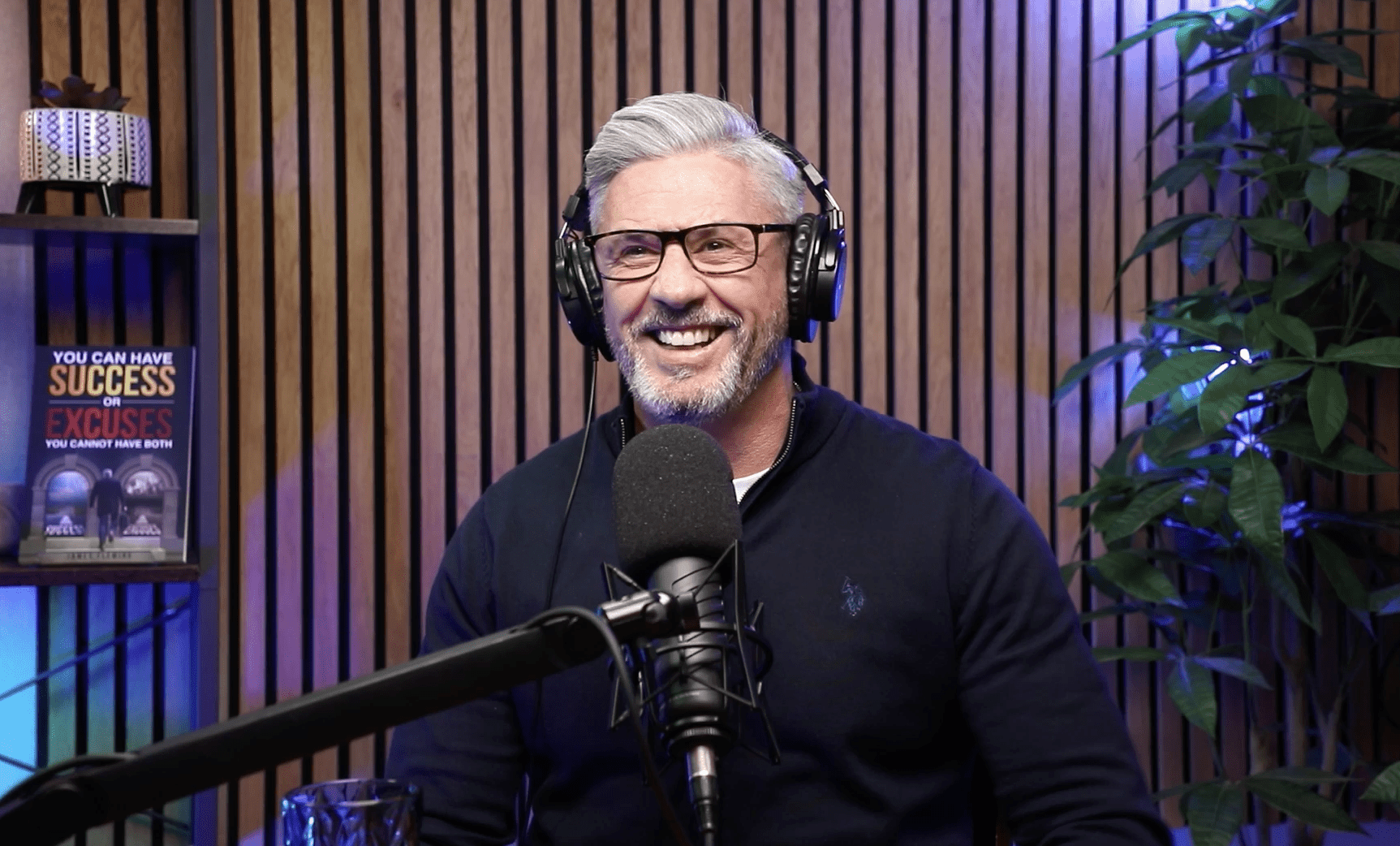
Hobby Podcaster, Creator or Corporate Team? How to Actually Pick a Recording Setup
A practical guide to picking a setup that actually matches what your show needs.
Your Podcast Sounds Fine. That's the Problem.
The podcasts that plateau aren't the ones that sound terrible. They're the ones that sound fine.
Your Podcast Doesn't Need 10,000 Downloads to Change Your Business
A small, loyal podcast audience can be worth more than vanity numbers.