
5 Ways to Future-Proof Your Podcast, No Budget Required"
 Podcast Studio Glasgow
The Scottish Podcasting Shift · Part Two
None of this requires a bigger budget or a full rebuild. It's five small shifts in how you think about the show you're already making, and you can start on all five this week.
The 10-second takeaway
- Chase retention, not downloads: a small audience that stays is worth more than a big one that doesn't.
- Audio quality is the whole product, not a finishing touch.
- Consistency beats brilliance, and it's entirely within your control.
- Start measuring your own show now, before advertisers start asking.
- Choose video on purpose. It's optional, so make it a decision, not a default.
Last time, we covered why the ground is shifting under podcasting globally: a new definition of what a podcast is, a new way of measuring who's listening, and a new framework for proving ads work. That's the big picture, and it's genuinely good news. Here's the useful part: what to actually do about it, starting with the show you're already making, not a show you'd need a bigger budget to build.
Five small shifts. None of them require new equipment. All of them start this week.
1Stop chasing downloads. Start chasing "they stayed."
The industry's new measurement standard rewards a completely different thing than the one podcasting has optimised for until now. A "Play" only counts once someone actually listens for 30 seconds. That's genuinely good news if your show is small: a loyal audience of 200 people who stay for the whole episode is now worth more, provably, than 2,000 downloads nobody finishes.
Try this week
Pull up your last three episodes. Listen to the first 60 seconds of each on headphones, like a first-time listener with no loyalty to you yet. If you wouldn't stay, that's your next episode's opening rewritten before you hit record.
2Treat your audio like the whole product, because it is
The industry's new definition of a podcast comes down to one test: if it works with your eyes closed, it's a podcast. That's not a technicality. It means the sound is the entire experience, not a technical detail you fix later. The good news is that this doesn't require an expensive room. It requires consistent basics, applied every single episode.
Try this week
Do a 10-minute self-audit: matched mic distance and volume between speakers, no echo or hum sitting under the voices. If you're not sure what "good" sounds like next to your own show, book 30 minutes in a proper studio and compare the same script side by side.
3Consistency beats brilliance
One outstanding episode doesn't move anything if the show around it is erratic: a different length every week, a schedule nobody can predict, a format that keeps changing. That confuses listeners, and it confuses any measurement trying to track them. The genuinely encouraging part is that consistency is entirely within your control. Unlike, say, going viral.
Try this week
Pick one publishing day and one target length. Commit to both for the next eight episodes before you change anything else about the show.
4Start measuring your show like it's worth something, because it is
The industry is moving towards real measurement: plays, audience, ad exposure, all of it. You don't need to wait for that rollout to finish. You can start building your own simple numbers now, so that when an advertiser or sponsor does ask, you've got an answer ready instead of a guess.
Try this week
Start a one-page media kit today: episode count, publishing frequency, average completion rate if your host shows it, and audience by platform. Update it once a month, and it'll be ready the day someone asks for it.
5Choose video on purpose, not by accident
The ratified definition makes video optional, not required. A podcast just has to survive with the screen off. That's genuinely freeing: it means you get to choose deliberately between audio-only, video-first, or both, rather than adding a camera because everyone else seems to have one.
Try this week
Ask honestly: does video add something here, a visible guest, a whiteboard, real reactions, or is it just added weight? Decide on purpose, then commit to that format for the next quarter.
"None of this is about doing more. It's about pointing the effort you're already putting in at the things that will actually count when the new standards land."
Small shifts, applied consistently, are the whole game. Next in this series: what the $1 billion in sidelined advertiser spend actually means for shows like yours, and how to make sure you're in the room when it starts moving.
Podcast Studio Glasgow
Further reading
Your Podcast Sounds Fine. That's the Problem.
The podcasts that plateau aren't the ones that sound terrible. They're the ones that sound fine.
Hobby Podcaster, Creator or Corporate Team? How to Actually Pick a Recording Setup
A practical guide to picking a setup that actually matches what your show needs.
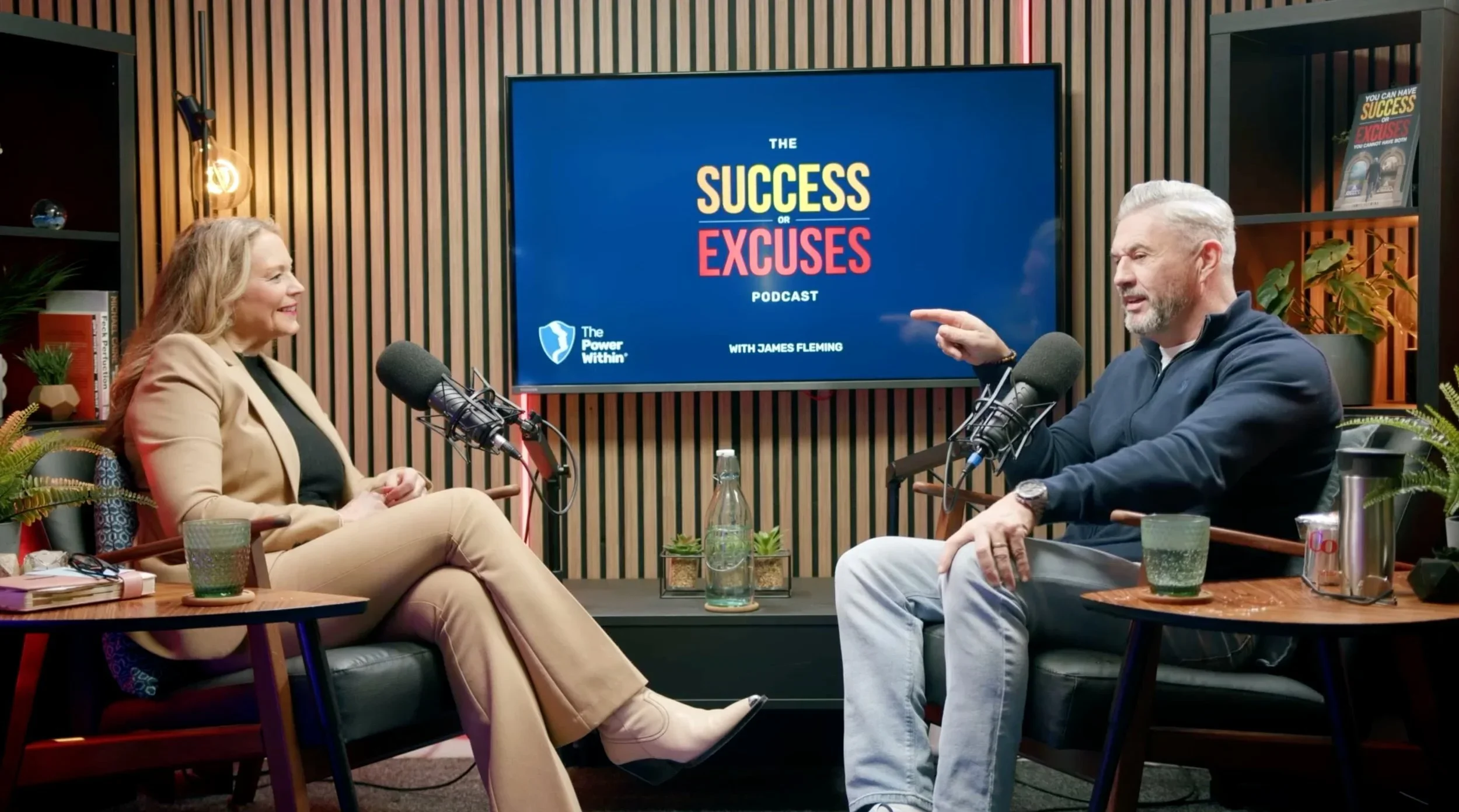
What Autocue, RGB Lighting and a Branded Screen Actually Add to Your Session
What each studio extra actually changes about your recording, and whether you genuinely need it.

How to Fix Audio Sync Issues in Video Podcasts
Your recording looked fine on the monitor. Here's why the words stopped matching the mouth in the edit.