Multi-Camera Podcast Studios in Glasgow: What to Look For
Video podcasting has changed what studios need to deliver. A decent microphone and a quiet room used to be enough. Now, if you're recording a show for YouTube, LinkedIn, or corporate distribution, you need cameras, lighting, live switching, and a producer who knows what they're doing when it all runs at once. Glasgow has a handful of studios that offer some version of this. Not all of them are the same.
This article sets out what actually matters in a multi-camera podcast studio, and how the main options in Glasgow currently compare.
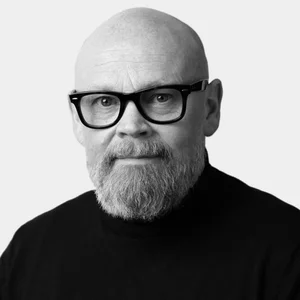
I'm Mark Hunter, co-founder of Podcast Studio Glasgow. I've been making podcasts since 2005, and I'll be straight with you about what you need and where we fit in alongside the alternatives.
Why Multi-Camera Matters for Video Podcasts
A single static camera produces watchable content. Multi-camera production produces engaging content. The difference is editorial control. When you can cut between a wide shot, a guest close-up, and a reaction angle in real time, your editor (or your live audience) gets a show that moves. People stay watching longer, which matters enormously on YouTube, where watch time directly affects how the algorithm distributes your content.
For corporate clients, there's another consideration. A video podcast recorded with cinema-grade cameras in a properly lit studio is a marketing asset, not just a podcast. The footage can feed social clips, internal comms, conference presentations, and training materials. The quality of the camera determines the quality of every derivative piece of content you pull from it.
The Five Things Worth Evaluating
1. Camera quality and number of angles
The camera specification is the single most important technical factor. Consumer cameras and webcams produce footage that looks fine on a laptop screen and underwhelming on anything larger. Cinema cameras capture a wider dynamic range, handle low light better, and hold up when footage is colour-graded or cropped for different formats.
Three angles is generally the practical minimum for a two-person show: a wide shot covering both guests, and a dedicated close-up for each. Four angles give you more flexibility in the edit, including reaction shots and cutaways.
2. Live switching capability
Multi-camera recording and multi-camera production are different things. Recording multiple cameras simultaneously is table stakes. Live switching, where a producer cuts between angles in real time using a hardware switcher, means you leave the studio with a finished or near-finished programme rather than hours of raw footage requiring a complex edit.
The industry standard tool is the Blackmagic ATEM Mini range. The ATEM Mini Extreme ISO model is particularly important because it records each camera's feed as a separate ISO file simultaneously with the switched programme output. That gives your editor full flexibility after the fact, even if the live switching wasn't perfect.
3. Audio quality and microphone setup
Video podcasters sometimes underinvest in audio, assuming visual quality will carry the production. It won't. Listeners will tolerate average video but they will stop watching immediately if the audio is thin, echoey, or inconsistent between guests. Dynamic microphones, professional preamps, and proper acoustic treatment are non-negotiable. Make sure the studio can handle however many guests you're bringing.
4. Producer presence during the session
A studio with no producer on site means you're operating the equipment yourself while simultaneously presenting your show. That's manageable for audio-only content. It's a significant distraction when you're managing multiple cameras, live switching, remote guests, and live streaming simultaneously. A dedicated producer who handles the technical side lets you focus entirely on your performance.
5. Experience with your type of content
Corporate podcast production is a different discipline from consumer content creation. The briefs are more detailed, the approval chains are longer, the brand standards are stricter, and the deliverables usually include far more than a single edited file. A studio that has worked with public sector bodies or regulated industries understands this. One that hasn't may underquote, under-deliver, or simply not understand why certain things need to be handled a particular way.
How Glasgow's Main Options Compare
The following table covers the studios most commonly appearing in Glasgow searches for multi-camera and video podcast production. Information is based on publicly available details as of February 2026. Where a studio does not publish specific equipment details, that's noted.
| Studio | Camera Spec | Max Angles | Live Switching | Dedicated Producer | ISO Recording | Remote Guest Support | Corporate Experience | Pricing |
|---|---|---|---|---|---|---|---|---|
| Podcast Studio Glasgow | Blackmagic 6K Cinema + Canon C200 | 4 | ✓ ATEM Mini Extreme Pro ISO | ✓ Included | ✓ | ✓ | ✓ NHS, Scottish Water, SDF | From £75/hr |
| The Green Room (City Centre) | Not published | Not specified | ? Not confirmed | ? Not confirmed | ? Not confirmed | ✓ Listed | Not published | Not published |
| Saspod (South Lanarkshire) | Blackmagic 6K Pro | Not specified | ✓ ATEM Mini Pro ISO | ✓ Founder-led | ✓ | ? Not confirmed | Not published | Not published |
| Up Next Studios (South) | Not published | Not specified | ? Not confirmed | ? Not confirmed | ? Not confirmed | ? Not confirmed | Not published | Not published |
| Glasgow Podcast Studio (Merchant City) | Not published | Not specified | ? Not confirmed | ✓ Listed | ? Not confirmed | ? Not confirmed | Not published | Not published |
Based on publicly available information, February 2026. Studios that don't publish equipment specs or producer arrangements should be asked directly before booking.
A note on transparency: If a studio doesn't publish its camera specifications, ask before you book. "Professional cameras" is not a specification. Blackmagic 6K, Sony FX3, Canon C300, and a consumer mirrorless camera are all "professional cameras" in different senses, and they produce noticeably different results.
Questions to Ask Before You Book Any Studio
Regardless of which Glasgow studio you're considering, the following questions will quickly establish whether it's the right fit:
What cameras do you use, and what resolution do they shoot at? Cinema cameras shooting 4K or above give you far more flexibility in post-production, including the ability to punch in on footage without losing quality.
Do you have a producer in the room during the session? This matters most when you're live-switching, managing remote guests, or live-streaming simultaneously.
Do you record ISO files for each camera? Without ISO recording, you're reliant entirely on the live switch decisions made during the session. ISO files let an editor reconstruct the programme after the fact.
How do you handle remote guests? A professional studio should pull a remote guest's audio and video into the production cleanly, not just prop an iPad against the wall.
Have you worked with corporate clients before? If yes, ask for examples. Public-sector and regulated-industry experience require a different content-creation process.
What the podcast studio Glasgow offers for Multi-Camera Production
At Podcast Studio Glasgow, psg1 is a 47-square-metre bespoke studio in the east end. For video podcast production, it runs up to three Blackmagic 6K cinema cameras and a Canon C200, all routed through a Blackmagic ATEM Mini Extreme Pro ISO switcher. A producer operates the live switch from a separate production area with an M1 Mac Mini, dual monitors showing all feeds, and an Elgato Stream Deck for scene management. Audio runs through Rode Procaster dynamic mics and a Rodecaster Pro.
The ISO switcher means every camera angle is recorded independently alongside the switched programme output. If a guest looks away at the wrong moment or an angle needs adjusting in post, the material is there to fix it.
We've worked with Scottish Water, NHS Education Scotland, the Scottish Drug Forum, and a range of other public and private sector clients. Transparent pricing starts at £75 per hour, including the producer. No surprise add-ons.
If you're evaluating studios for a corporate podcast, internal communications series, or video content programme and you'd like to talk through what you need before committing, get in touch. A conversation costs nothing, and it means you'll ask the right questions wherever you end up booking.
Ready to record? Book a session or have a no-obligation conversation with Mark and Cameron about your project. We're at 279 Abercromby Street, Glasgow, five minutes from the city centre. Book recording time | Get in touch