
Why Video Podcasts Actually Make Sense for Your Business
Look, I get it. You’re already juggling a million things in your business, and now someone’s telling you to add “start a podcast” to the list. I know how that sounds.
But hear me out, because I’ve been doing this for nearly 21 years now, and I’ve watched how video podcasts have gone from “nice to have” to something that genuinely moves the needle for businesses. Not in a flashy, overnight success kind of way, but in a steady, compound interest kind of way.
The thing nobody tells you about content
Here’s what I’ve noticed: most businesses create content like they’re filling a quota. Monday’s LinkedIn post. Wednesday’s email. Friday’s… whatever. Each piece lives and dies on its own.
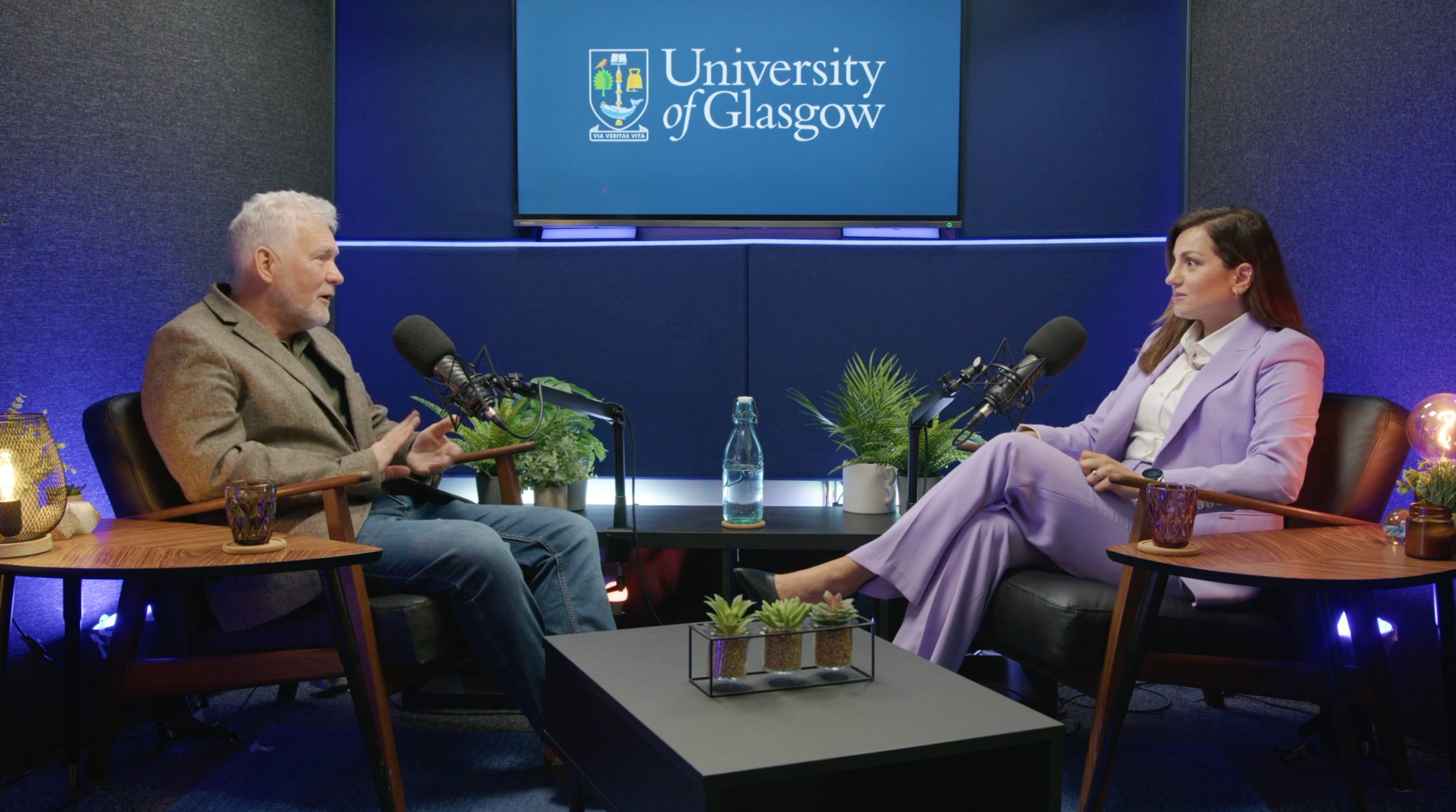
A podcast flips that completely. You sit down for an hour, have a proper conversation, and suddenly you’ve got content for weeks. Not because you’re slicing and dicing it into meaningless little bits, but because a good conversation naturally covers different angles and ideas that each deserve their own moment.
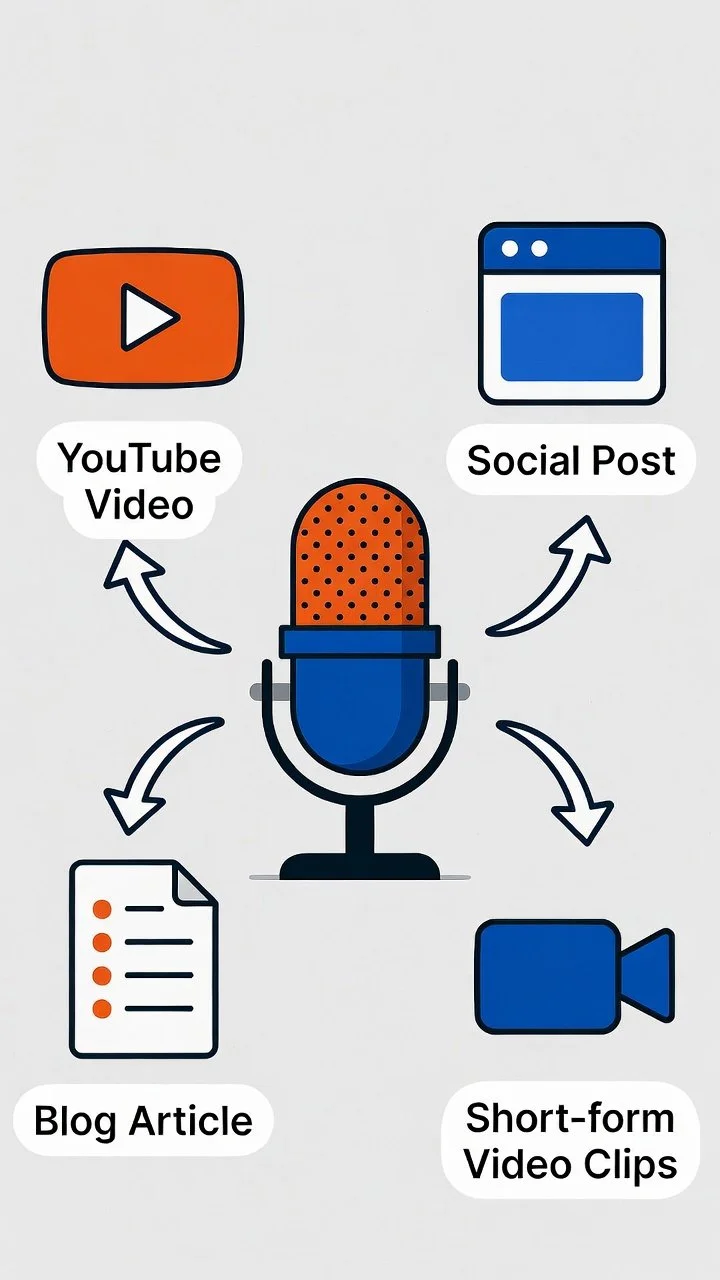
That one recording becomes a full episode, a handful of YouTube shorts, some quote graphics, email content, even material for your website. You’re not creating more content. You’re creating once and using it properly.
Why video matters (even if you hate being on camera)
Audio podcasts are great, but video does something audio can’t: it builds trust faster.
When someone can see you talking, see your face, watch how you explain things, they get a sense of who you are. Not the polished, corporate version of you. The actual you. That matters more than most people realise, especially in B2B where trust is everything.
Plus, let’s be honest about how people actually consume content now. They’re on YouTube. They’re scrolling Instagram and LinkedIn. Video isn’t just another format anymore. It’s where people are spending their time.
The long game (and why that’s actually good news)
This isn’t about going viral. Forget viral.
The real power of a podcast is cumulative. Episode one might get 100 views. Episode ten might get 150. But here’s the thing: episode one is still there, still getting watched, still bringing people in. Six months later, you’ve got 25 episodes, all working for you simultaneously. That’s 25 different entry points for potential customers to find you.
I’ve watched this happen with our own clients. Someone finds episode 14 because they searched for a specific topic. They like it. They watch episode 3. Then episode 8. Before you know it, they’re reaching out because they feel like they already know you. The sale is half done before you’ve even spoken.
It positions you properly (without being weird about it)
There’s something about hosting a podcast that just… works. You’re interviewing interesting people in your industry, or you’re breaking down topics you know inside out, and suddenly you’re not pitching anymore. You’re the person people come to for insight.
It’s authority building that doesn’t feel forced because it isn’t. You’re literally demonstrating your knowledge and your network week after week. No “thought leadership” posts required.
The bits that actually matter
Right, so what makes this work in practice?
First, consistency beats perfection. A decent episode published regularly will always outperform a perfect episode that comes out whenever you can be bothered.
Second, interview format is your friend. It takes the pressure off you to perform for an hour, the conversation flows more naturally, and you’re building relationships with guests who’ll share the episode with their audience. Everyone wins.
Third, video quality matters, but not in the way you think. You don’t need cinema-level production. You need clear audio, decent lighting, and a setup that doesn’t look like you’re filming in a cupboard. That’s it. Content beats production value every single time.
What nobody tells you (but I will)
Starting a podcast feels like a lot. I won’t pretend it doesn’t. The first few episodes are awkward. You’ll hate the sound of your own voice. You’ll wonder if anyone’s actually listening.
But here’s what happens: you get better. Quickly. By episode five, you’ll wonder what you were worried about. By episode ten, you’ll be thinking three episodes ahead. And by episode 20, you’ll have content assets that are actively bringing in business while you sleep.
The businesses I see getting real value from podcasting aren’t the ones treating it like a campaign with a start and end date. They’re the ones who’ve committed to showing up regularly, having genuine conversations, and letting the cumulative effect do its thing.
Why your marketing team will actually love you for this
Here’s something that’ll make sense if you’ve ever worked with a marketing team: they’re constantly hungry for content. Good content. The kind that doesn’t sound like it was written by a committee.
Hand them a video podcast and watch what happens. They’ve suddenly got hours of genuine, authentic material to work with. Real conversations. Actual insights. Things people might want to watch or listen to.
One recording session gives them everything they need for weeks. The full episode goes on YouTube. They pull out the best three-minute segment for LinkedIn. That brilliant point you made at the 23-minute mark becomes a short-form video. Your guest’s insight becomes a quote graphic. The transcript gets turned into a blog post. You’ve just solved their content calendar problem for the next fortnight.
And because it’s video, they can repurpose it in ways that audio alone just can’t match. Different crops for different platforms. Stills for graphics. B-roll for other projects. It’s the gift that keeps giving.
Is it worth it?
If you’re looking for quick wins, probably not. If you’re building something for the long term and you want content that actually reflects who you are and what you know, then yeah. Absolutely.
Video podcasting isn’t magic. It’s just a really efficient way to create trust-building content that works harder than almost anything else you could be doing. And in a world where everyone’s shouting about their services, sometimes the best move is to sit down, have a proper conversation, and let people decide for themselves.
Ready to actually do this?
Look, we’ve made this as straightforward as possible because we know you’ve got enough on your plate.
At Podcast Studio Glasgow, we’ve got a proper setup. Multi-camera 6K video recording. Professional microphones that make you sound like you know what you’re talking about (because you do). A space that looks good on camera without trying too hard. And we’re right here in Glasgow’s east end on Abercromby Street.
We handle the technical stuff so you can focus on having good conversations. You turn up, sit down, talk for an hour, and leave with professional video content your marketing team will actually want to use.
Pricing starts at £75 for a standard recording session. That’s your episode sorted, filmed properly, ready to work for your business for years to come. We’ve also got post-production packages if you want us to handle the editing, and we can manage your YouTube channel if that’s not your thing.
If you’re thinking about this for your business, let’s have a chat. No pressure, no sales pitch. Just a conversation about whether this makes sense for what you’re trying to build. Book a session or drop us a message, and we’ll take it from there.
The results aren’t instant. But they’re real. And they stick around.